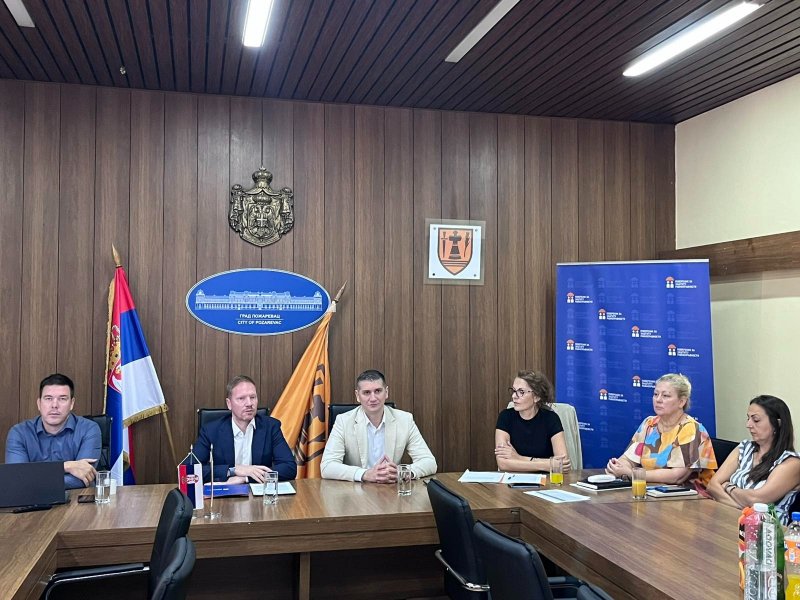
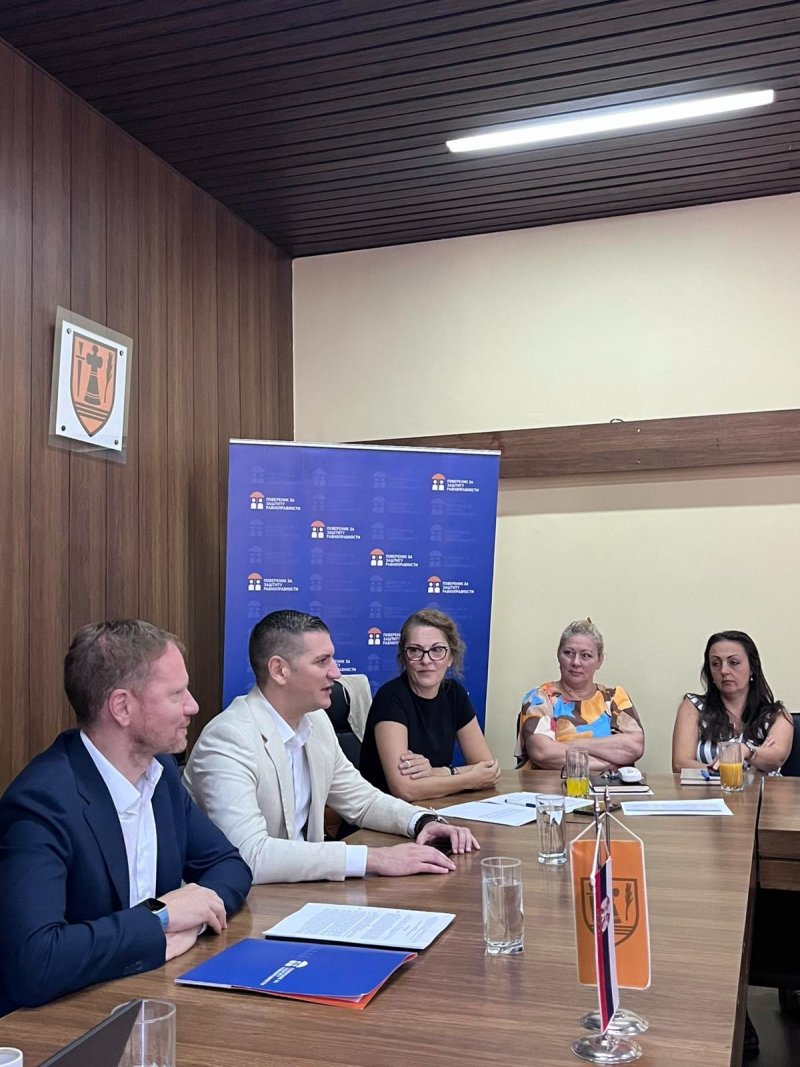
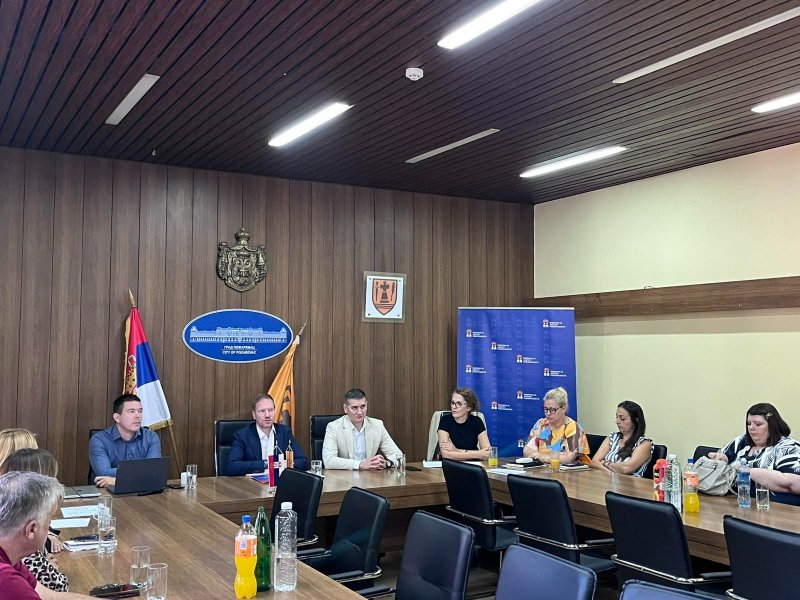
The “Local Dialogue on Gender Equality” was held this week in Požarevac with representatives of the local self-government and educational institutions, with the aim of examining key insights and challenges in this area. The event presented the results of research conducted by the Commissioner for Protection of Equality on how men perceive gender equality.
The research shows that, although the majority of men declaratively support equal rights, deeply rooted patriarchal patterns still prevail in practice, which is reflected in support for traditional gender roles, inequalities in the field of labor and employment, as well as the fact that unpaid domestic work continues to be predominantly performed by women.
Commissioner for Protection of Equality, Milan Antonijević, pointed out that, despite a good legal framework, it is not easy to eradicate the legacy of tradition that shapes everyday life – from education and employment to healthcare and property management. “Such a change requires continuous work, particularly within the community. This is why it is extremely important that we have good cooperation with local self-governments and civil society, because they are best placed to recognize the specific characteristics and needs of their communities,” the Commissioner emphasized.
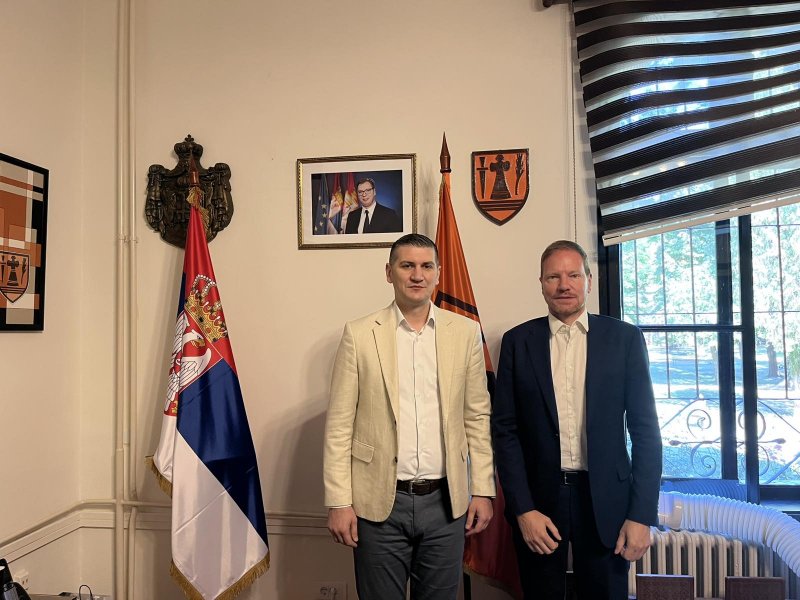
As part of his visit to Požarevac, Antonijević and his team also met with the Mayor of Požarevac, Saša Pavlović. The discussion focused on initiatives to improve the position of social groups at greater risk of discrimination, as well as on the current challenges facing the local community. Particular attention was devoted to the position of older people, young people and Roma, while greater representation of women in management structures was identified as one of the priorities.
The Commissioner and the Mayor agreed that it is necessary to continue working on the empowerment of women and the improvement of mechanisms for preventing violence against women. It was concluded that synergy between the national and local levels is crucial to ensure that support measures are available to all citizens, particularly in smaller communities.