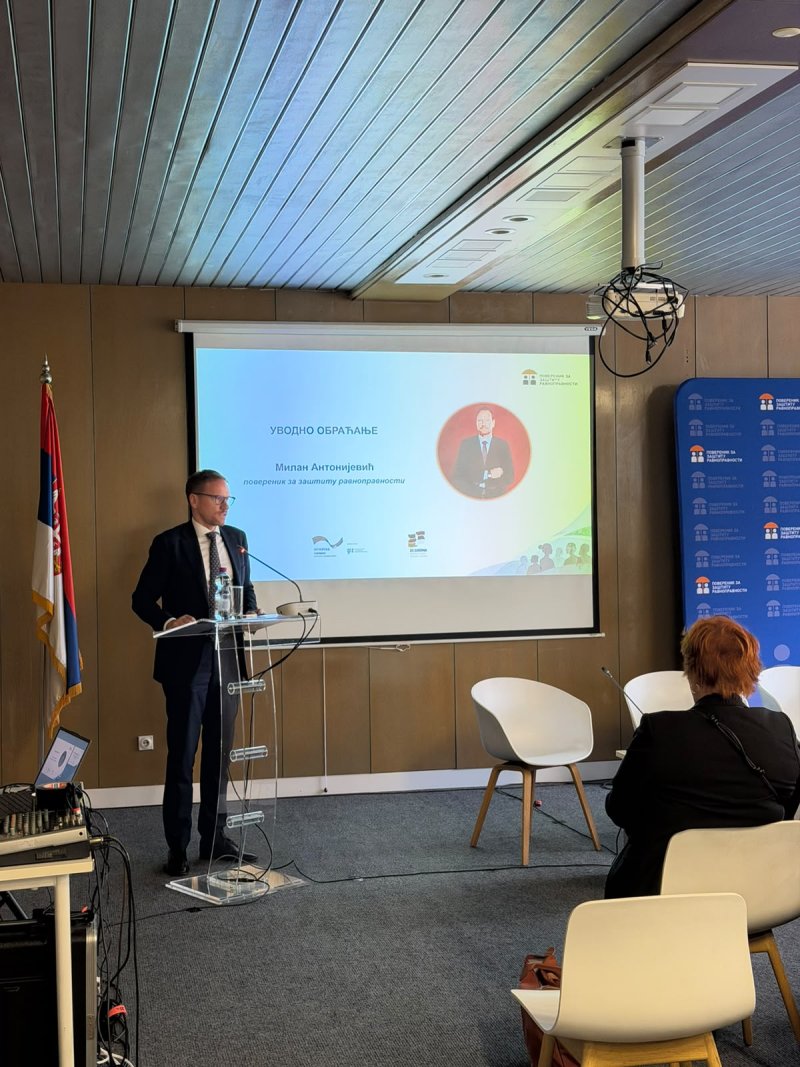
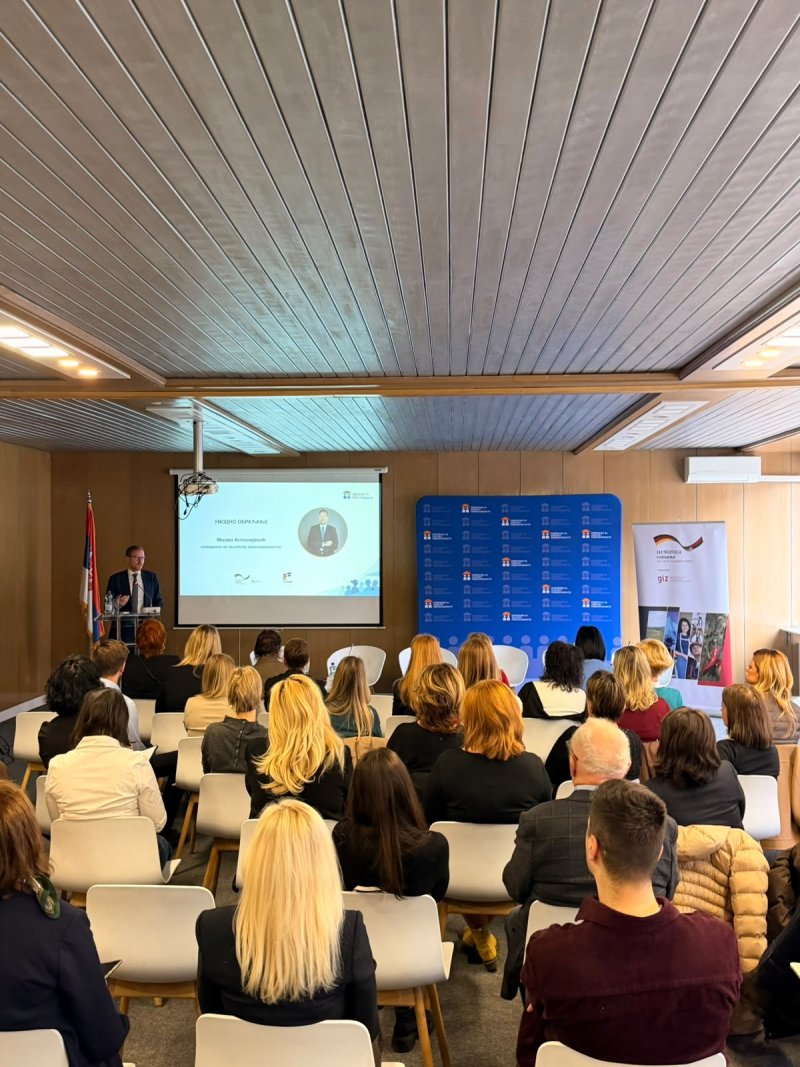
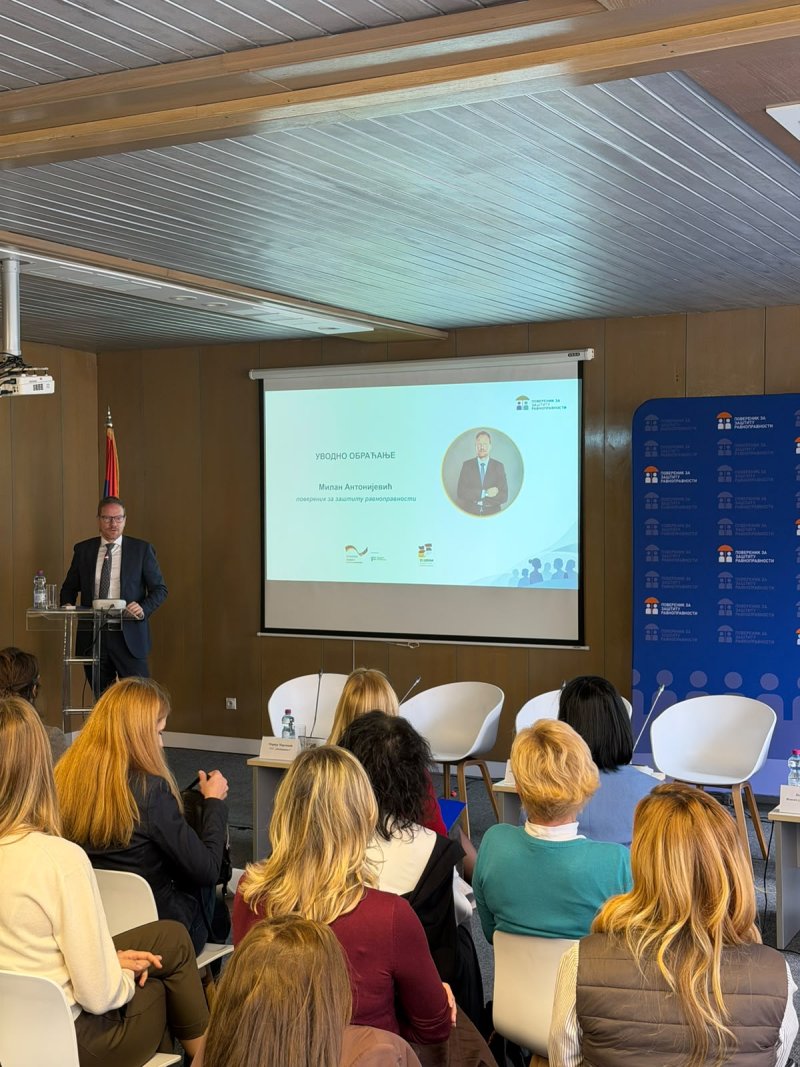
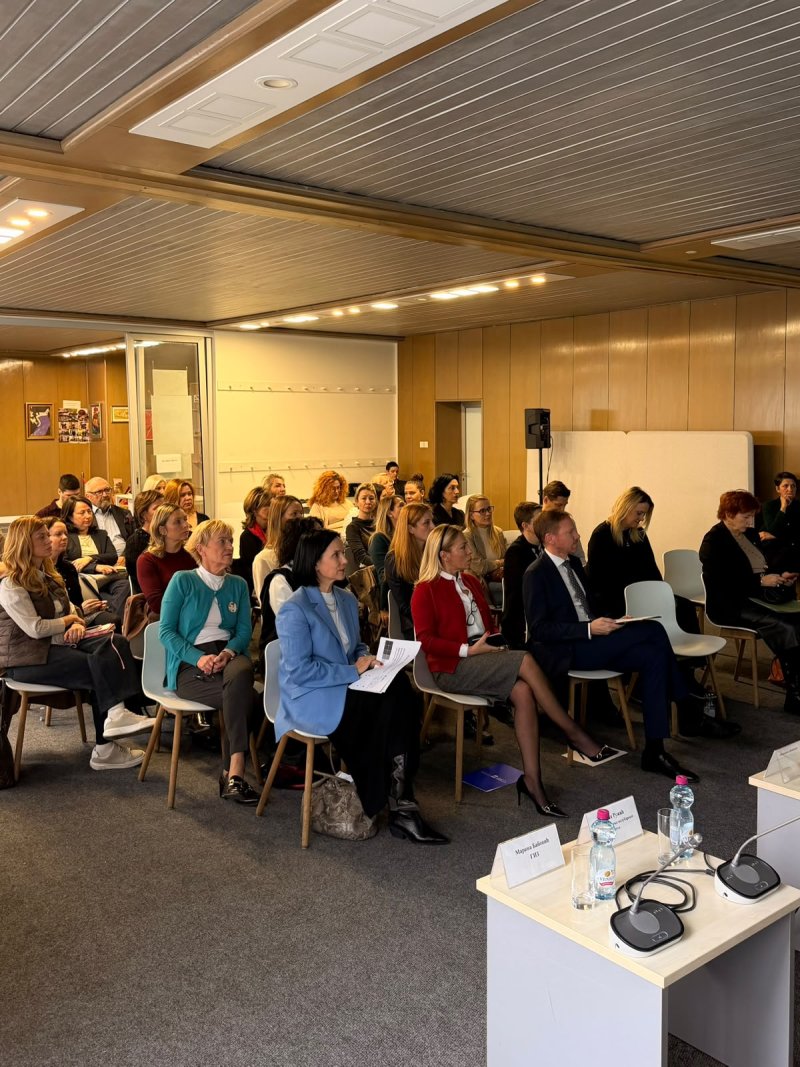
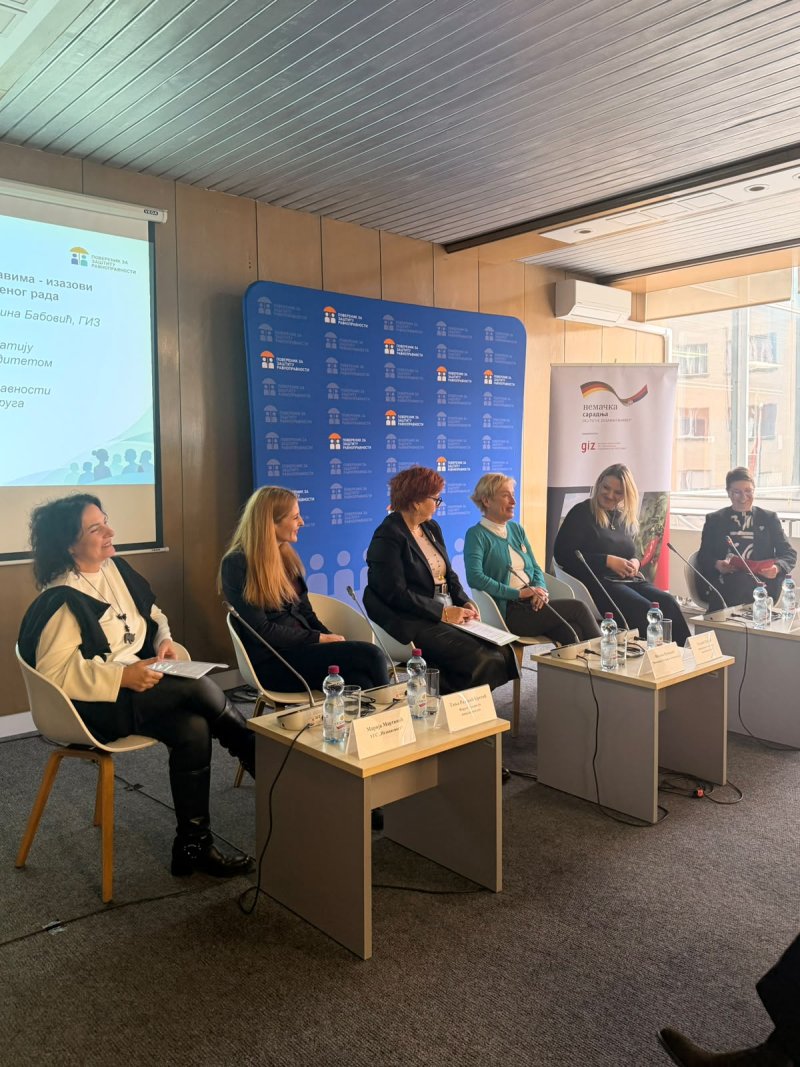
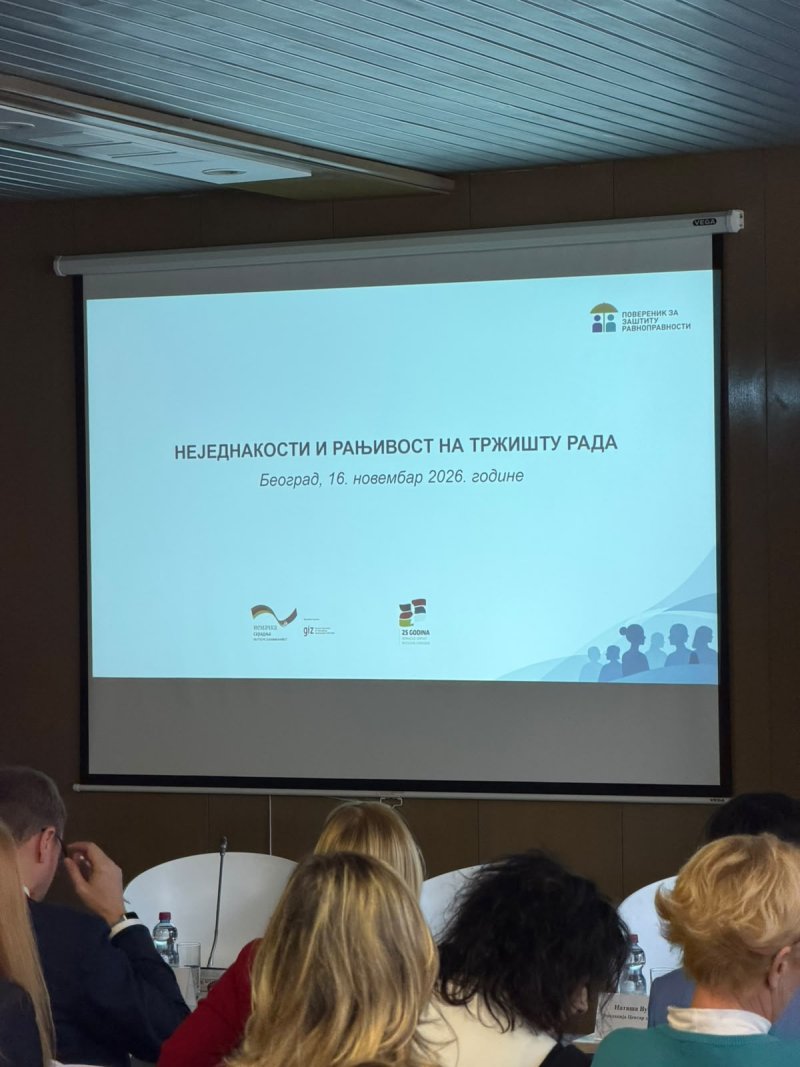
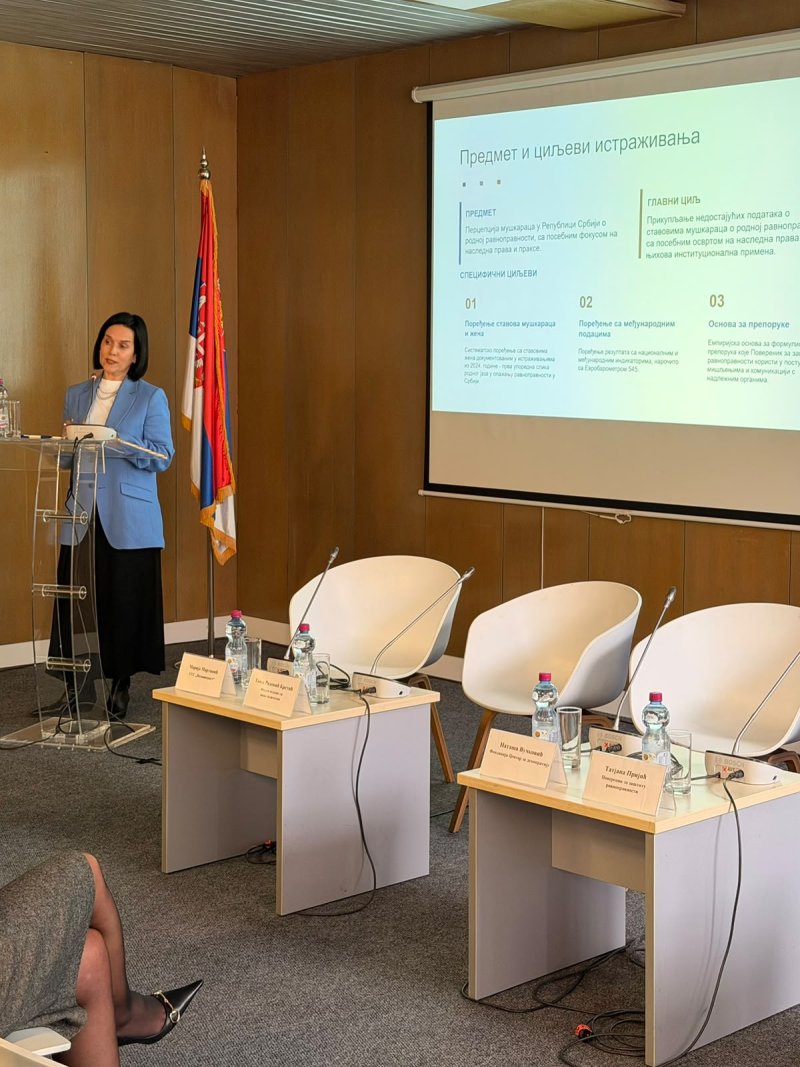
On the occasion of the International Day for Tolerance, the Commissioner for the Protection of Equality, with the support of German Development Cooperation (GIZ), organised an event entitled “Inequalities and Vulnerability in the Labour Market”. The event brought together representatives of institutions, trade unions and civil society organisations with the aim of discussing the challenges faced by vulnerable groups and improving mechanisms for the protection of their rights.
Opening the event, the Commissioner for the Protection of Equality, Milan Antonijević, emphasised that discussions on employment often focus on economic parameters, while the issues of workers’ security and dignity remain in the background. According to him, precarious and insecure forms of work do not merely involve temporary contracts, but also uncertainty, a lack of social protection and a sense of being replaceable.
“Inequalities in the labour market do not affect everyone in the same way. They place an additional burden on those who are already in a disadvantaged position: women, young people, older workers, persons with disabilities, members of national minorities and those engaged in the informal economy,” Antonijević stated. He recalled the findings of the Commissioner’s Special Report on Discrimination in the Labour Market, which shows that unequal treatment occurs at all stages, from job advertisements and candidate selection, through working conditions and career advancement, to termination of employment.
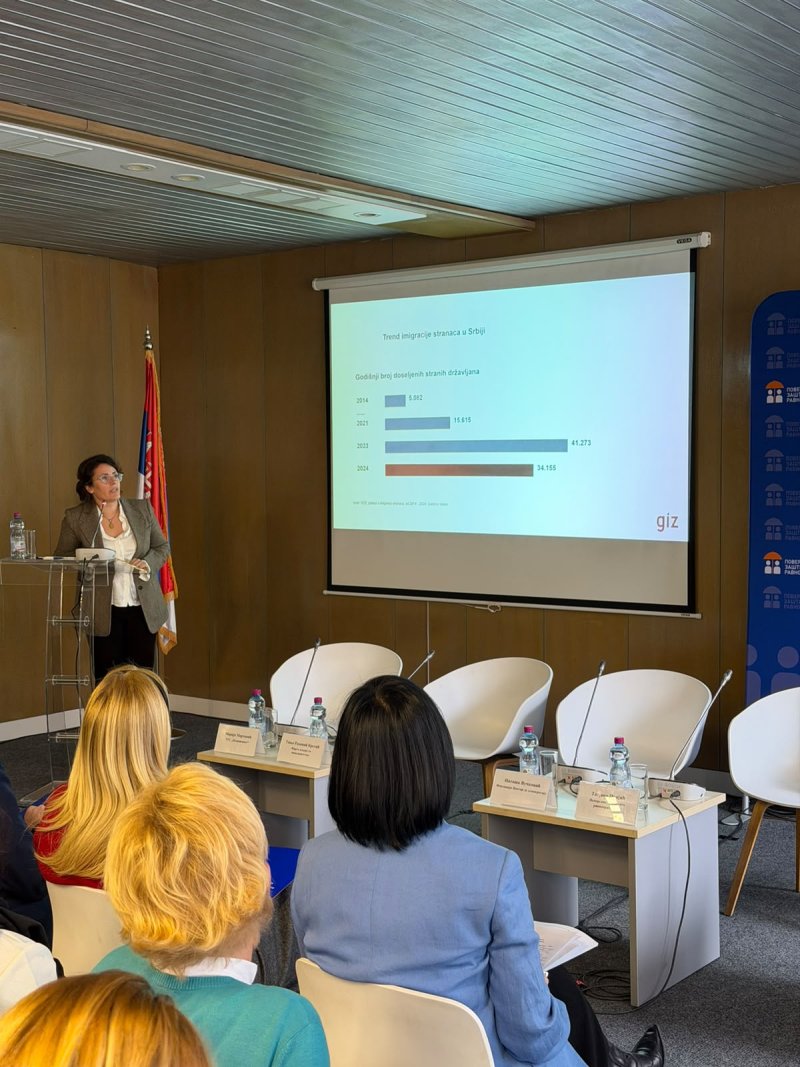
Particular attention at the event was devoted to the position of foreign workers in Serbia. It was emphasised that they must not be viewed solely through the prism of filling labour shortages, but rather as rights holders who must be provided with safe working conditions and effective protection against discrimination, while overcoming language barriers and the fear of losing their jobs.
The event also presented experiences from GIZ’s programme “Migration in the Context of Development” (MEG) concerning factors contributing to the vulnerability of foreign workers, as well as the findings of research conducted by the Commissioner and GIZ on men’s perceptions of gender equality in Serbia. Particular attention was drawn to the finding that 46 percent of men in Serbia believe that the husband should have the final say in the household (compared to the EU average of 24 percent), which directly affects the unequal distribution of unpaid domestic work and limits women’s economic security and career advancement.
During the panel discussion “Precarious Work and Access to Rights”, which brought together representatives of employers, trade unions, civil society and the Office of the Commissioner, it was concluded that joint efforts are needed to change unfair labour relations towards greater flexibility and protection of employees’ rights, regardless of their personal characteristics.