“Roma men and women in Serbia constitute a diverse and complex social group, which is why policies aimed at improving the equality of this national minority must not be based on stereotypes and prejudices,” said the Commissioner for the Protection of Equality, Milan Antonijević, after visiting Novi Sad, Lazarevac, Surčin, Obrenovac and Bujanovac with his team. Through discussions with representatives of local self-governments, civil society and citizens, he assessed the key challenges faced by the Roma community.
The visits covered a wide range of topics, from addressing basic existential issues in informal settlements to empowering highly educated young Roma men and women, with a clear focus on combating discrimination and building a society of equal opportunities.
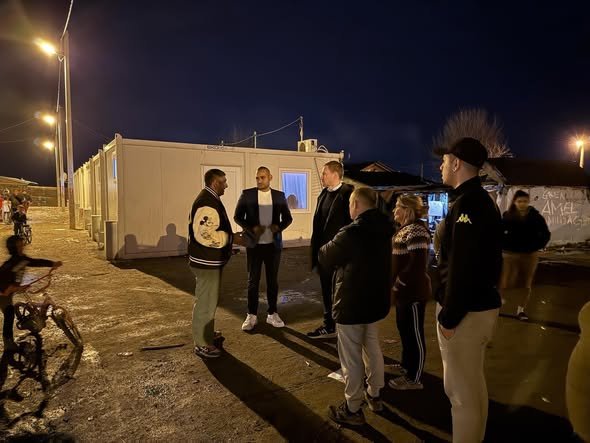
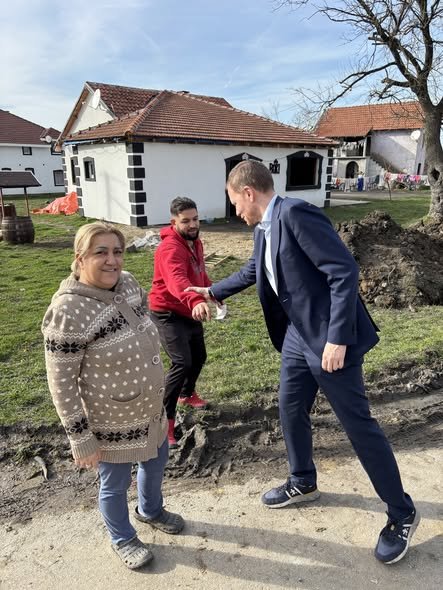
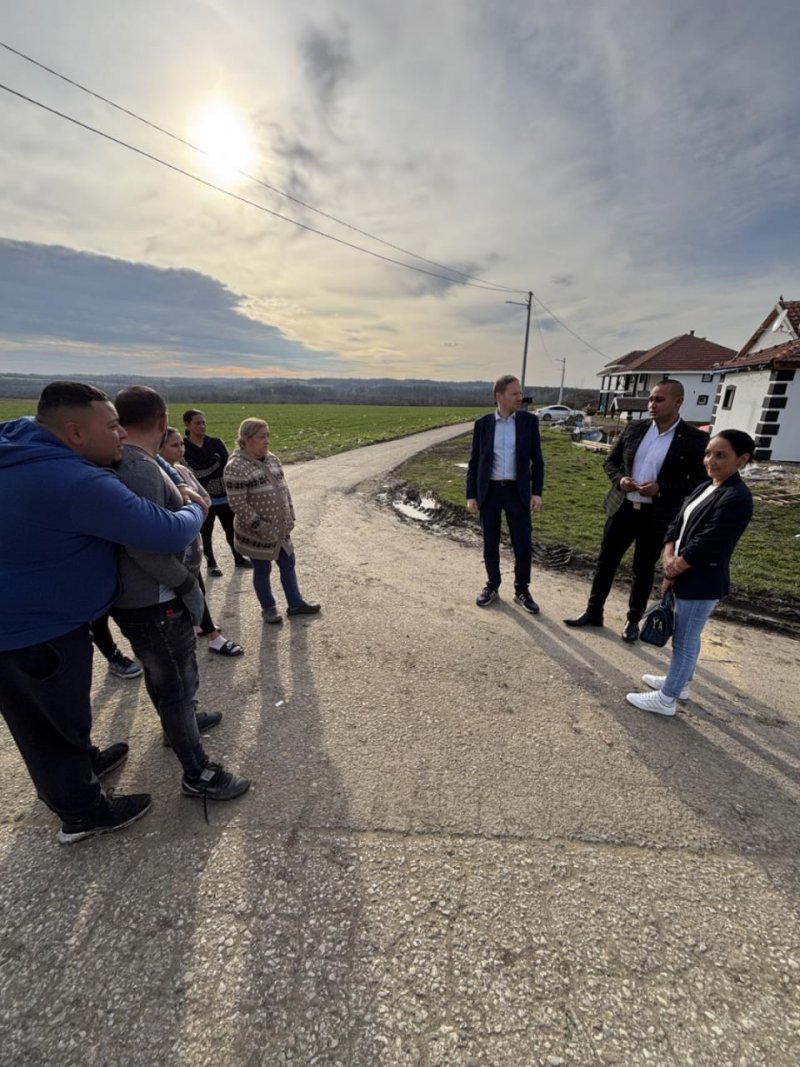
During visits to the settlements of Bangladesh near Novi Sad and Sokolovo near Lazarevac, discussions with residents highlighted urgent communal problems and the need to improve basic living conditions. In Bujanovac, the Commissioner met with representatives of Roma associations, where particular emphasis was placed on social and healthcare protection, the need for a greater number of pedagogical assistants, as well as raising awareness among public service employees on issues of discrimination.
Antonijević highlighted complaints as an important protection mechanism, noting that they are a necessary step for initiating proceedings to determine discrimination in each specific case.
The Commissioner emphasized that such visits are not merely a formality, but a way to identify concrete obstacles in practice and, through cooperation with institutions at all levels, to find sustainable solutions that lead to strengthening legal certainty and equality for all citizens. It was stressed that the institution of the Commissioner continuously improves prevention mechanisms to ensure that assistance is available to everyone, especially the most socially vulnerable.
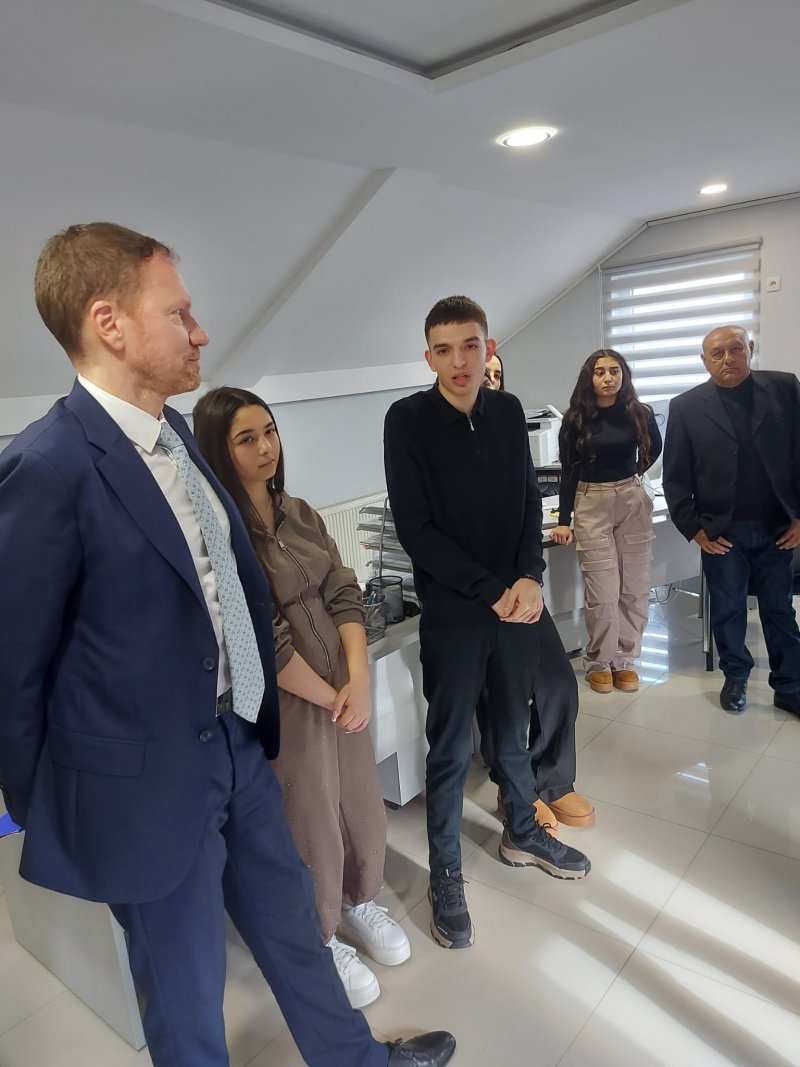
In Surčin and Obrenovac, the focus was on young Roma men and women, talented scholarship holders and activists who, through their example, challenge deeply rooted stereotypes. They shared their experiences and pointed to the importance of a prompt response to discrimination within the education system, as well as the need for greater visibility of successful individuals in the public sphere. It was emphasized that the economic independence and professional success of Roma are also key to transforming the social perception of this community, which is often exposed to multiple discrimination.
Antonijević pointed out that prevention and education are the most powerful tools in combating prejudice, and that knowledge about human rights and respect for diversity is best acquired in school. “Our shared task is to encourage all children, especially those at greater risk of exclusion, to learn about their rights and actively contribute to combating all forms of violence and inequality in their environment,” the Commissioner added, announcing the organization of educational workshops for students and teachers in schools, along with the promotion of the Manual for Teaching on Protection against Discrimination and the active involvement of young people from these municipalities in the work of the Commissioner’s Youth Panel.
“Only through systemic cooperation and continuous work in the field can a dignified and equal life be ensured for all members of the Roma national minority, with a clear message that discrimination, whether in institutions, the education system or on social media, has no place in a modern society,” Antonijević concluded.