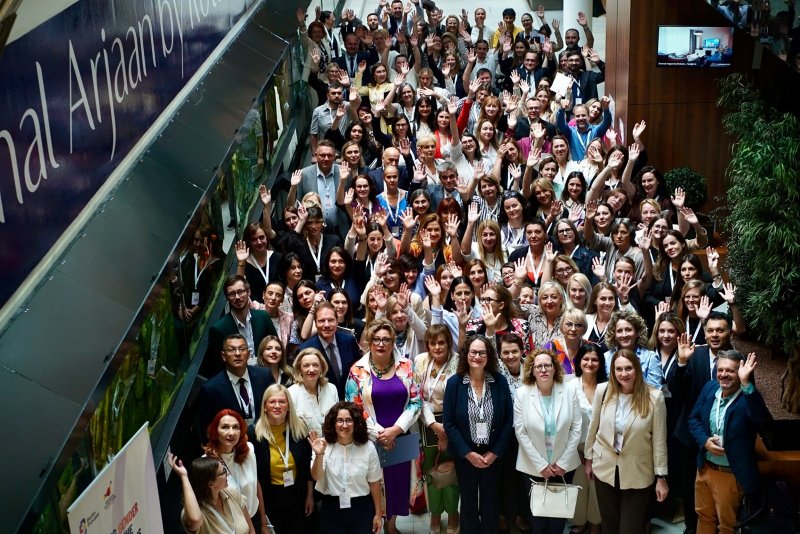
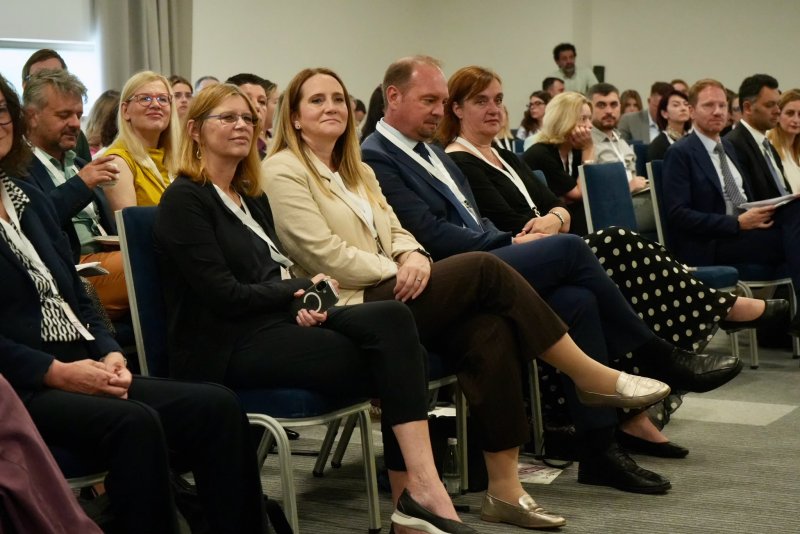
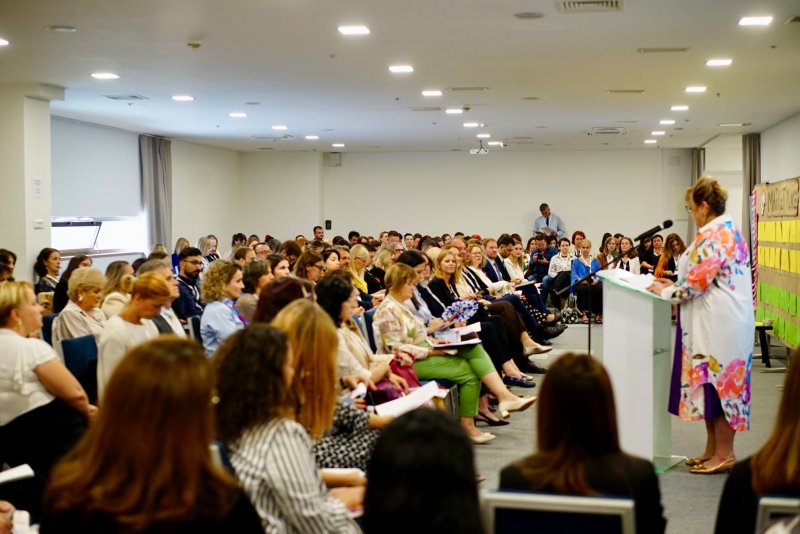
The Commissioner for the Protection of Equality, Milan Antonijević, participated in the Gender Equality Forum 2026, held in Sarajevo within the framework of the Berlin Process, which brought together more than 150 representatives of governments, international organizations, institutions, civil society and the academic community from the Western Balkans, with the support of the Government of the Federal Republic of Germany, while this year the Berlin Process is chaired by Montenegro.
The theme of this year’s forum was “Advancing Gender Equality in the Western Balkans – Progress Under Pressure”, with the aim of reviewing the results achieved so far and the challenges in preserving and further improving gender equality policies in the region.
Particular emphasis was placed on the greater involvement of men in the processes of achieving gender equality. On that occasion, Commissioner Antonijević presented the results of a joint study by the Commissioner for the Protection of Equality and GIZ on men’s perceptions of gender equality. He emphasized that the insights from this unique study, relevant for all Western Balkan countries, can significantly contribute to the creation of regional policies for the advancement of gender equality.
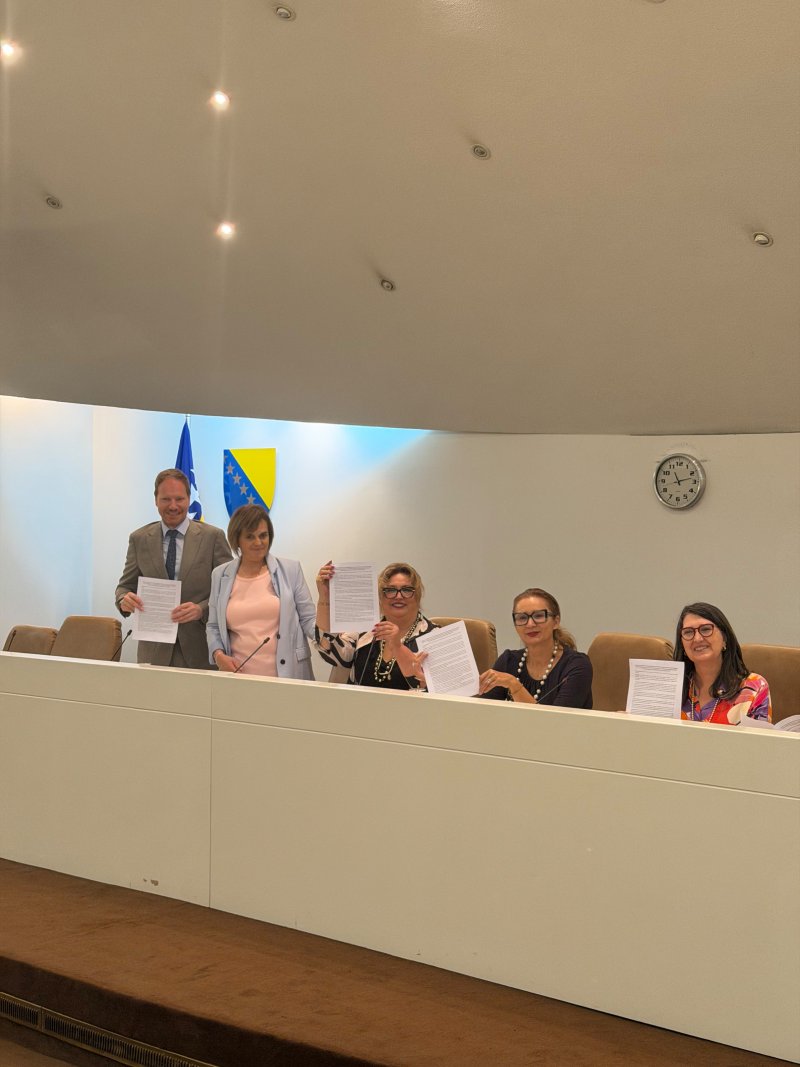
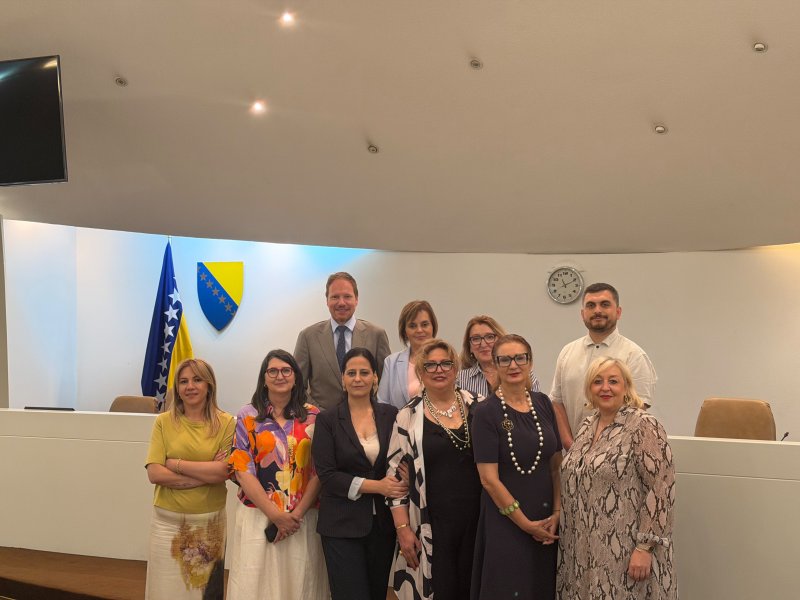
At the forum, a Joint Statement was also signed by representatives of institutional mechanisms for gender equality from the Western Balkan countries and Croatia, including the Commissioner for the Protection of Equality of the Republic of Serbia. The Statement confirmed a strong commitment to regional cooperation, the improvement of the position of women and girls and the fight against discrimination. The priorities for cooperation highlighted were the economic empowerment of women through the creation of policies for greater inclusion in the labor market, gender-responsive budgeting and recognition of the value of unpaid work, regional networking in the fight against violence against women, the inclusion of young people in peacebuilding and security processes, as well as strengthening gender equality in cyberspace and encouraging girls and women to choose STEM fields and IT careers.
The forum was opened by Samra Filipović-Hadžiabdić, Director of the Agency for Gender Equality of Bosnia and Herzegovina, while introductory addresses were delivered by Biljana Pejović, Director of the Directorate for Gender Equality of the Ministry of Human and Minority Rights of Montenegro, Johann Saathoff, Parliamentary State Secretary at the Federal Ministry for Economic Cooperation and Development of the Federal Republic of Germany, as well as a representative of GIZ.
The conclusions and recommendations adopted in Sarajevo will be presented at the upcoming ministerial meetings of the Berlin Process, at which the governments of the Western Balkan countries will be invited to confirm the commitments agreed during the Forum.