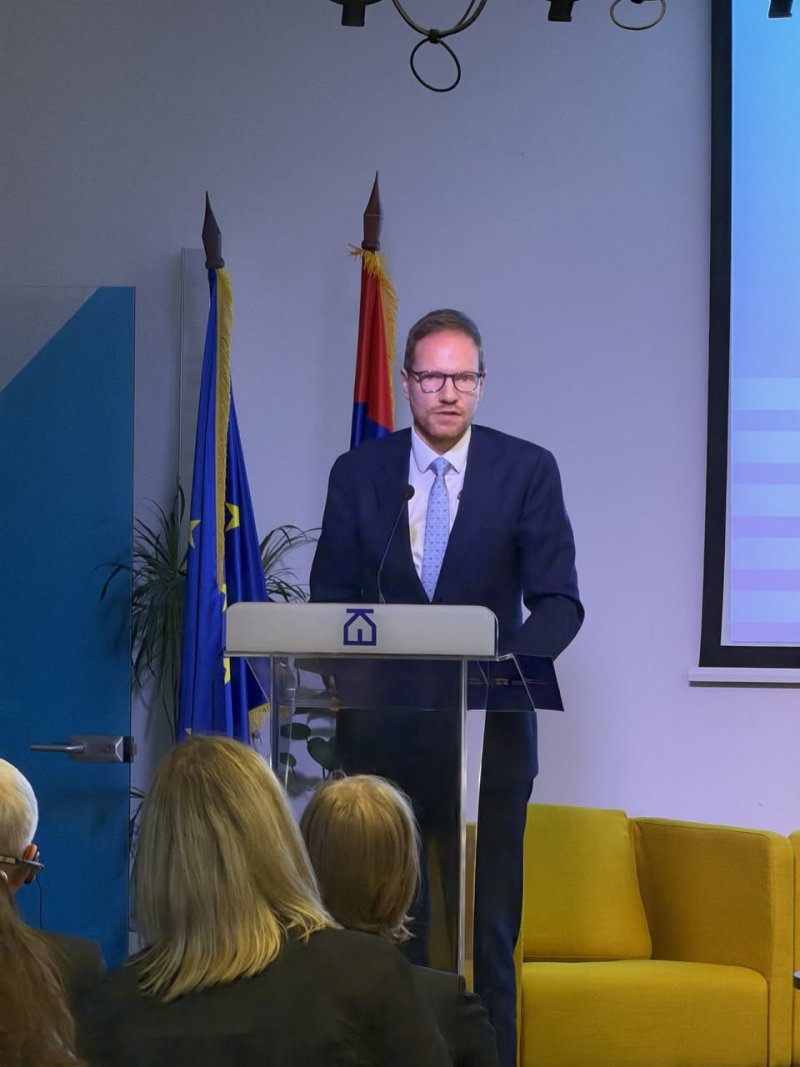
Equality is when a woman can register her residence in her own apartment without being asked “whether she has her husband’s consent,” when a career decision does not depend on whether she plans to have a family, or when caring for children or parents does not automatically mean giving up professional advancement, said the Commissioner for the Protection of Equality, Milan Antonijević, at the conference “From Global Commitments to Equality in Everyday Life,” held by the United Nations in Serbia and Europe House.
In his opening address, the Commissioner emphasized that equality exists when everyday life becomes simpler, not when equality exists only in laws: “A great deal has been achieved in Serbia. Women are more educated than ever, and they are significantly present in political life, but the real picture of society is seen where decisions are made, in administration, the economy, and the sectors that shape development. It is precisely there that women are still not represented to the extent that corresponds to their knowledge, experience, and contribution, and that is something we must all work on together.”
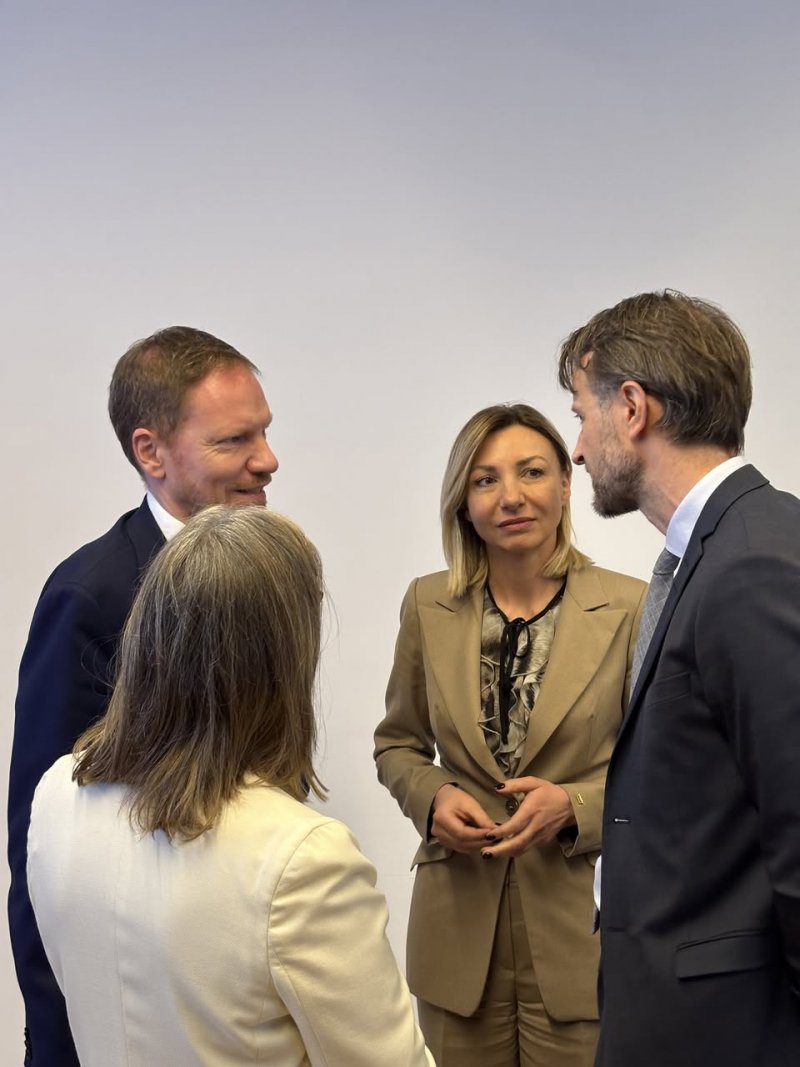
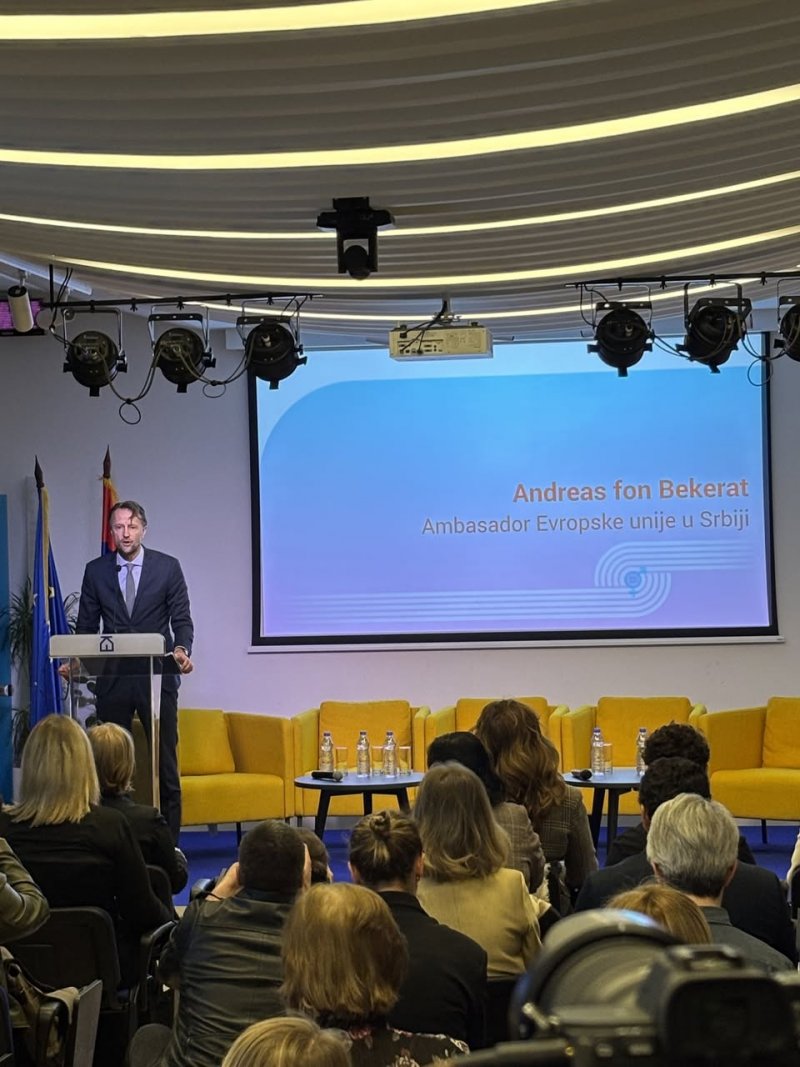
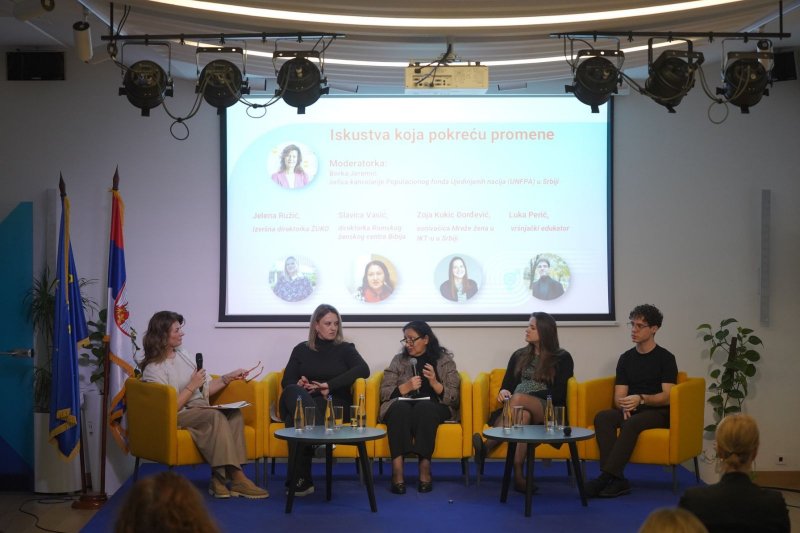
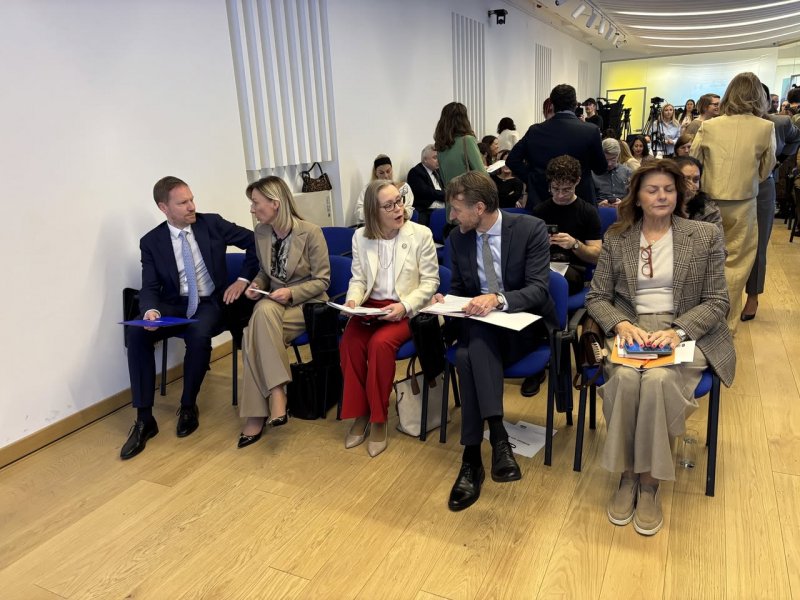
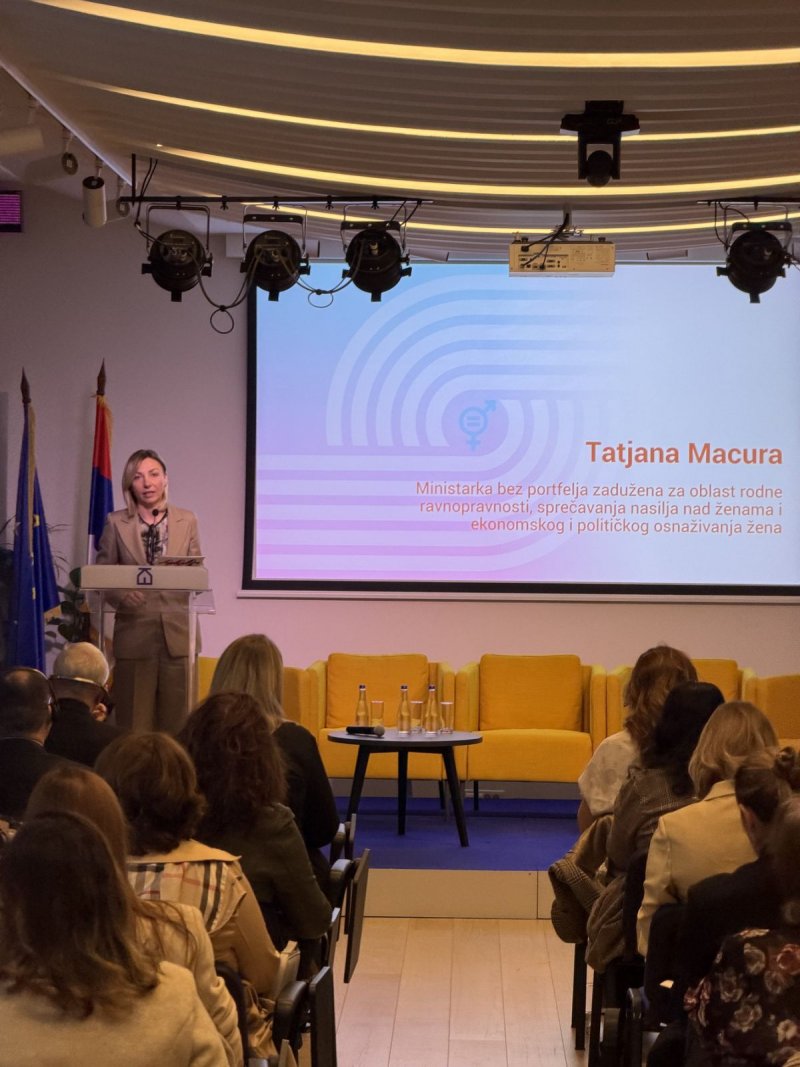
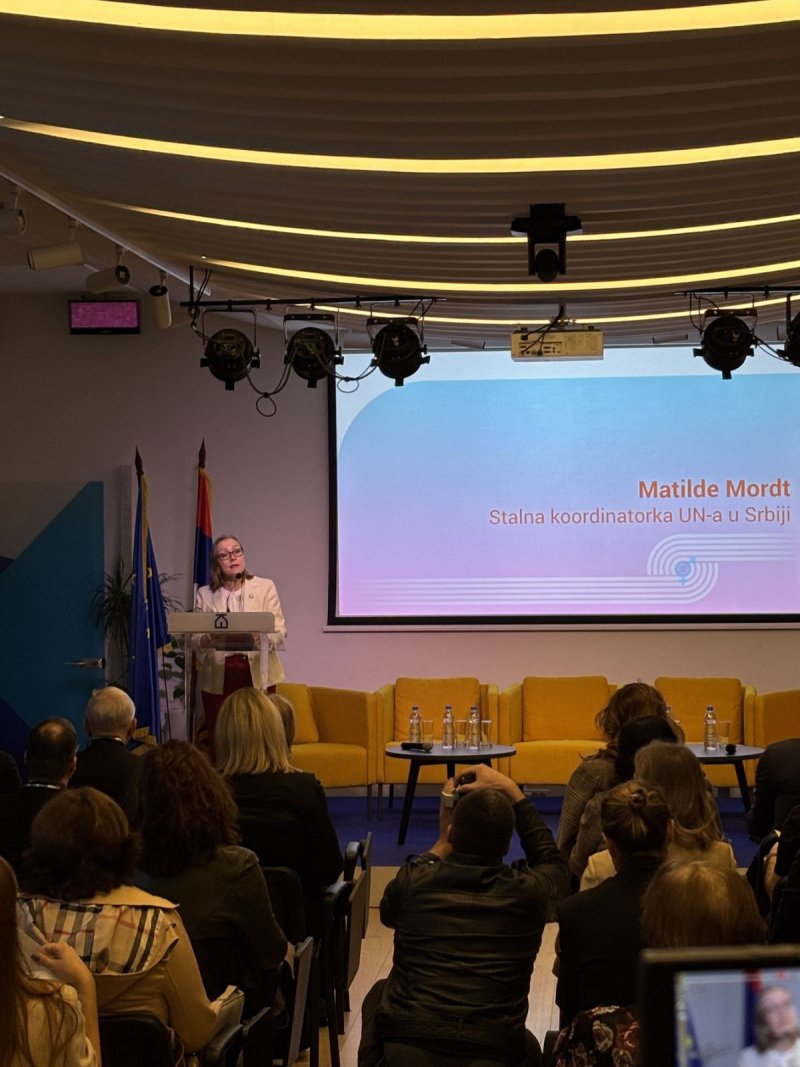
The opening part of the conference also featured remarks by Andreas von Beckerath, Ambassador of the European Union to Serbia, Matilde Mordt, United Nations Resident Coordinator in Serbia, and Tatjana Macura, Minister without Portfolio in charge of gender equality, prevention of violence against women, and the economic and political empowerment of women, while the Head of the UN Women Office in Serbia, Milana Rikanović, presented the profile of gender equality in Serbia. The conference concluded with the panel discussion “Experience Drives Change,” in which, alongside representatives of organizations working to improve the position of women, Luka Perić, a peer educator and member of the Youth Panel of the Commissioner for the Protection of Equality, also took part.